What Type of Therapy Do You Need?
This post is for education and entertainment only.
What types of therapy are available when you’re struggling in life? A therapist can help you manage your habits and feelings, but self-analysis and support is also an option.
1 – Traditional Therapy
Traditional therapy focuses on managing your habits, thoughts, and emotions. You talk to a therapist about what’s going on in your life, and they help you find a way to resolve any issues.
Psychodynamic Therapy
A psychoanalysis therapist guides you through past experiences and explores how they shaped your current reality. They help you uncover and reframe unhealthy patterns and limiting beliefs.
Your core beliefs shape our mindset and powerfully influence your actions. We unconsciously base what we do, think, feel, and say on what we believe to be true about ourselves and the world.
Dialectical Behavior Therapy (DBT)
DBT therapy is a framework for managing and processing your emotions. Practices include mindfulness, self-regulation, and healthy boundaries. Get support for self-care and distress tolerance.
Dialectical techniques focus on opposing theories and accepting behaviors and emotions. By reframing how we see problems, we can feel less emotionally stressed and enjoy life more.
Cognitive Behavioral Therapy (CBT)
CBT helps people cope with anxiety and depression by reprogramming destructive thoughts and behaviors. The intention is to change pervasive patterns, not accept them like DBT.
CBT programs are typically a few weeks to months, but DBT therapies last six months to several years. Individual, group, coaching, and self-guided options are all available.
2 – Groups or Communities
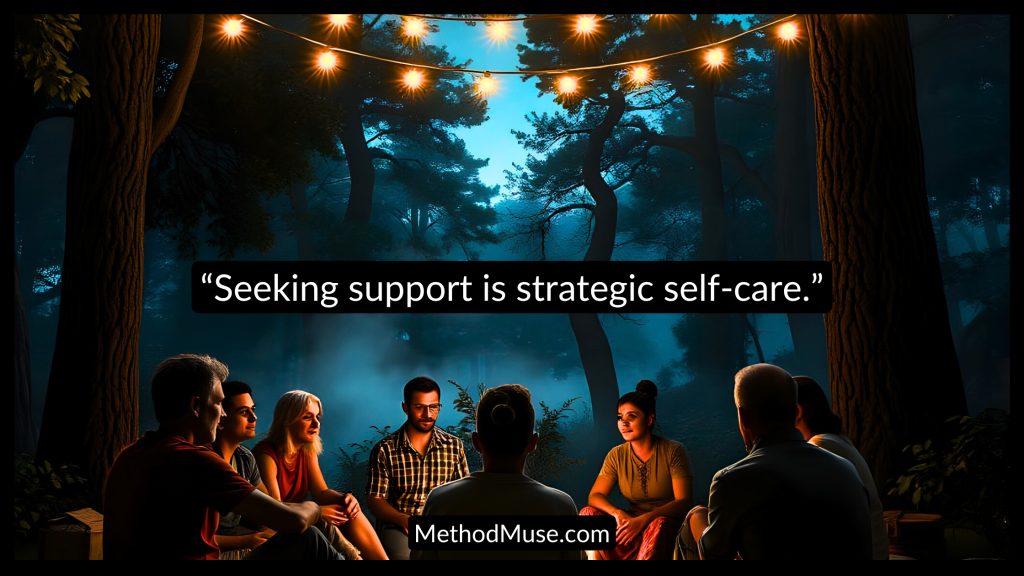
A group therapist provides sessions for multiple people with similar goals. The additional peer support provides a comforting sense of understanding, acceptance, and collaborative healing.
Support Groups
Support groups meet unofficially to talk about their shared experiences. These include things like grief, health, or addiction recovery. The group coach or leader is unlicensed.
Family or Couples Therapy
Specialized therapists help couples and families form healthy bonds and overcome conflicts. They help their patients work on mutual respect, compassion, and communication.
3 – Coaching and Self-Therapy
Life coaches aren’t therapists, they’re guides for specific goals. Therapists help you manage your mental health, and coaches focus on your mindset and daily habits.
Self-Guided Therapy Tools
Self-guided solutions should only be used when you’re functioning well. If the issue is negatively affecting your daily life, contact a therapist for help. Contact this hotline for help.
Self-therapy tools include books, videos, apps like Calm, online courses, and workbooks. You can practice CBT or DBT methods on your own or explore new methods.
Conclusion
All types of therapy are available to help you maintain your mental health. They can help you overcome unhealthy behaviors, practice self-acceptance, and connect with others.
Self-awareness, serenity, and support are the keys to a happy mind. Be kind to yourself and get help when you need it. Read the next post for tips on setting healthy boundaries in relationships.